
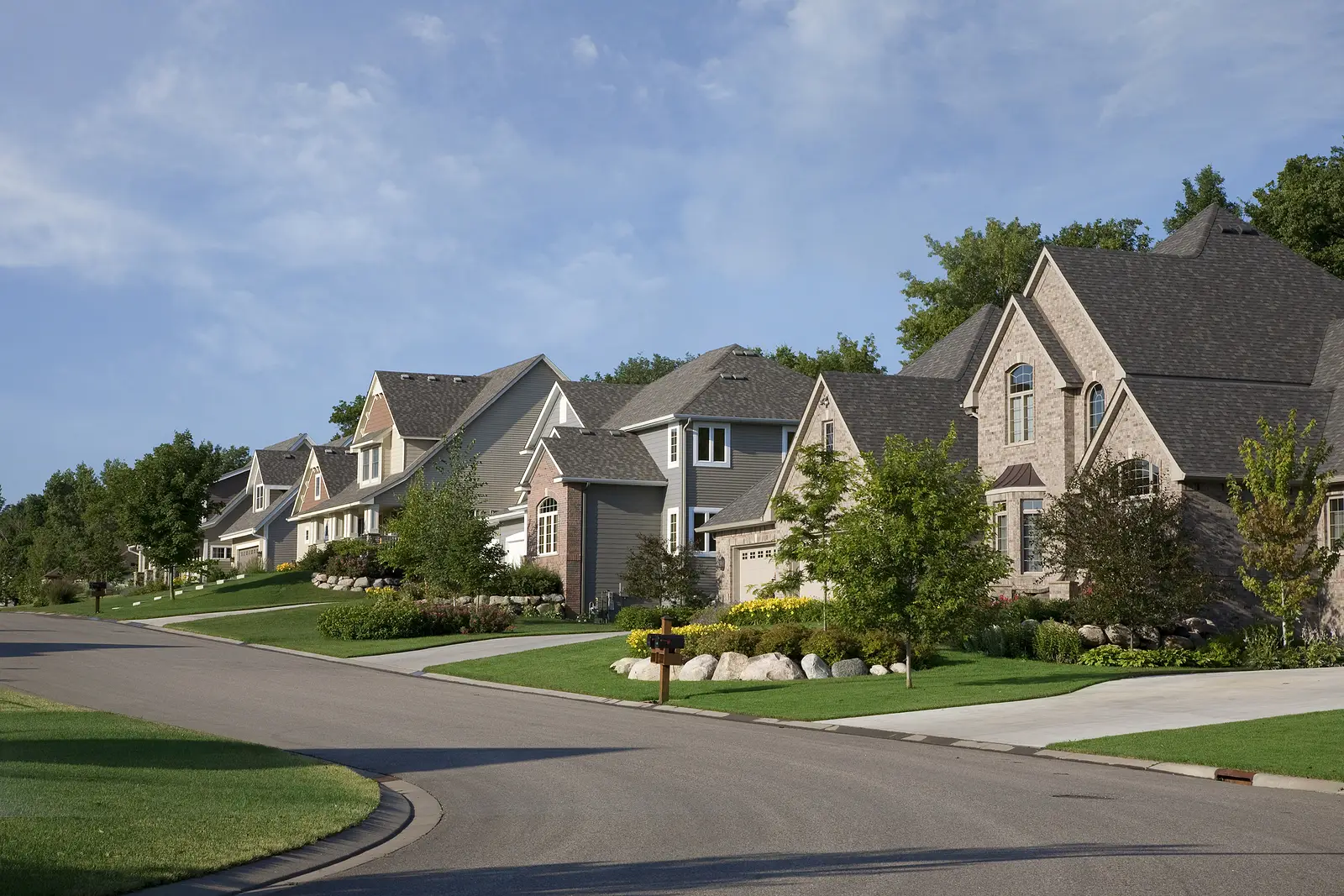
Association living shapes everything from neighborhood appearance to long-term property values, yet many homeowners rarely think about the systems supporting it. Common areas are maintained, invoices are paid, and meetings are held, but participation can still feel limited. Important HOA resources often exist in plain sight without gaining the attention they deserve.
Working closely with boards through our Charlotte HOA management services, we have seen how quickly engagement can taper off when communication lacks structure or consistency. As new developments continue to rise across Charlotte and established communities evolve, active homeowner involvement carries even greater weight.
According to national research, 40.5% of homes listed for sale are governed by an HOA. That scale underscores how influential association leadership has become in shaping neighborhood standards and market strength. In a city as competitive as Charlotte, communities that keep residents informed and involved are better positioned to protect both stability and appeal.
Boards rarely face a shortage of tools. The real task is ensuring those tools are visible, clearly explained, and aligned with what homeowners actually need.
Key Takeaways
- HOA resources often go underused when communication lacks clarity and follow-up.
- Transparent dues management and consistent enforcement strengthen homeowner trust.
- Amenities must evolve alongside Charlotte’s expanding and diverse communities.
- Structured onboarding sets the tone for long-term participation.
- Professional support and organized systems reduce board burnout and improve efficiency.
The Communication Disconnect
Even organized HOAs can struggle when updates are scattered across emails, printed notices, and online portals. Homeowners may receive information, but that does not guarantee understanding.
Charlotte neighborhoods often include a mix of long-term residents, new homeowners, and rental occupants. Each group consumes information differently. Boards that rely on a single communication method risk leaving part of the community behind.
Building Stronger Digital Systems
Clear, concise messaging performs better than lengthy announcements. Short summaries, defined deadlines, and straightforward calls to action help residents absorb key points quickly. Secure platforms also play a vital role in maintaining trust.
Associations that prioritize guidance similar to HOA cybersecurity strategies reduce the risk of data breaches while reinforcing confidence in leadership. When homeowners feel their personal and financial information is protected, they are more likely to engage through digital channels.
Making Information Actionable
Residents respond when they understand how policies directly impact them. For instance:
- Routine maintenance planning reduces the chance of unexpected assessments.
- Reserve contributions protect long-term property values.
- Clearly defined amenity rules preserve shared spaces for everyone.
Turning policy language into practical examples helps bridge the gap between board decisions and homeowner awareness.
Financial Transparency That Drives Confidence
Few topics affect engagement more than money. If homeowners do not understand how dues are calculated or allocated, skepticism grows. Charlotte associations that prioritize clear financial reporting build stronger trust over time.
National figures indicate that 34.8 percent were renter-occupied housing units in 2024. In communities with rental properties, this creates additional communication challenges. Tenants may not receive direct board updates, and owners may not always relay information consistently.
Dues Collection and Stability
Consistent cash flow supports landscaping, insurance, amenity upkeep, and reserve contributions. Associations that apply structured approaches similar to those discussed in managing member dues reduce delinquency rates and protect financial stability.
Clear reporting matters just as much as collection. When boards provide easy-to-read financial summaries and explain major expenses in plain language, homeowners gain perspective. Financial clarity turns confusion into cooperation.
Fair and Consistent Enforcement
Rules support property values, but uneven enforcement can erode trust quickly. Consistency prevents accusations of favoritism and strengthens overall morale. When homeowners see that standards apply equally, participation increases.
Keeping Amenities Relevant in a Growing City
Charlotte continues to expand with new housing developments, mixed-use communities, and revitalized neighborhoods. Amenities that once met resident needs may require updates to stay aligned with current expectations.
Walking trails, playgrounds, clubhouses, and green spaces remain popular, yet lifestyle trends shift. Families may prioritize outdoor recreation. Young professionals may value shared workspaces or social gathering areas. Retirees may prefer quiet, well-maintained environments.
Listening Before Investing
Periodic surveys provide insight into changing preferences. Boards that seek homeowner input before approving upgrades often see stronger participation afterward.
Conflict resolution also influences engagement. Associations that implement structured processes similar to those described in HOA grievance committees create fair pathways for addressing disputes. When residents feel their concerns receive objective review, tensions decrease and cooperation improves.
Amenities thrive when homeowners feel included in planning decisions.
Onboarding Sets the Tone
First impressions matter. When new homeowners move into a Charlotte HOA, their early experiences shape long-term engagement.
Receiving a thick packet of governing documents without explanation rarely inspires participation. A structured orientation process makes expectations clear from the beginning.
Practical Onboarding Elements
Effective onboarding may include:
- A concise overview of rules, architectural guidelines, and amenity access.
- Step-by-step instructions for submitting requests or reporting maintenance issues.
- Direct contact information for management and board representatives.
Providing this information in accessible language reduces confusion. Early clarity leads to better compliance and fewer disputes later.
Supporting Boards Without Overload
Board members volunteer their time while balancing careers and personal responsibilities. Financial oversight, vendor management, compliance monitoring, and communication tasks quickly add up.
Without organized systems, burnout becomes a real risk.
Vendor Coordination and Accountability
Reliable service providers are essential to maintaining community standards. Associations that implement structured vendor coordination services benefit from clearer contracts, defined performance expectations, and improved accountability.
Consistent oversight ensures that landscaping, maintenance, and repair projects meet agreed standards.
Leadership Resources and Governance Support
Board members perform better when they have access to practical guidance. Educational tools, such as board member guidance clarify fiduciary duties, meeting procedures, and compliance requirements.
Technology further eases daily tasks. Secure online portals allow homeowners to pay dues, review documents, and submit service requests conveniently. When systems function smoothly, boards spend less time troubleshooting and more time planning strategically.
Regular homeowner feedback loops keep leadership aligned with evolving priorities.
Encouraging Participation That Lasts
Meeting attendance often reflects perceived relevance. If agendas focus on practical updates, measurable outcomes, and transparent decision-making, homeowners are more likely to attend or review summaries afterward.
Brief post-meeting recaps help maintain visibility. Clear timelines for upcoming projects and financial milestones reinforce accountability.
Engagement grows steadily when communication remains consistent, respectful, and purposeful.
FAQs about HOA Engagement in Charlotte, NC
How can Charlotte HOAs motivate homeowners to read community updates?
Short, clearly formatted summaries with defined action steps improve readability. Delivering updates through multiple channels, such as email and online portals, ensures broader reach and stronger awareness.
What financial practices strengthen homeowner trust?
Detailed reporting, transparent reserve contributions, and consistent dues enforcement create stability. When boards explain how funds support maintenance and long-term planning, homeowners feel more confident in leadership decisions.
Why do some amenities lose popularity over time?
Shifting demographics and lifestyle trends can change how residents use shared spaces. Regular surveys and feedback sessions help boards adapt amenities to match current preferences.
How can HOAs manage disputes without escalating tension?
Structured grievance procedures provide fair, organized channels for resolving concerns. Objective review processes reduce conflict and promote respectful communication within the community.
What steps prevent board burnout in growing neighborhoods?
Delegating responsibilities, implementing organized vendor oversight, and using professional management support reduce strain. Clear systems allow board members to focus on strategic goals rather than daily administrative pressure.
Turning Visibility Into Value
Strong communities are built through consistent communication, financial clarity, and dependable leadership. When HOA resources are clearly explained and actively supported, homeowners recognize their value.
At PMI CLT, we focus exclusively on HOA management in Charlotte. We assist boards with governance structure, dues oversight, vendor coordination, and communication strategies tailored to local communities.
Sustainable engagement requires steady effort and thoughtful systems. Take the next step toward greater stability and participation by choosing to strengthen your Charlotte HOA today through our Charlotte HOA management services.
